
Arusha National Park
Why is Arusha National Park So Unique?
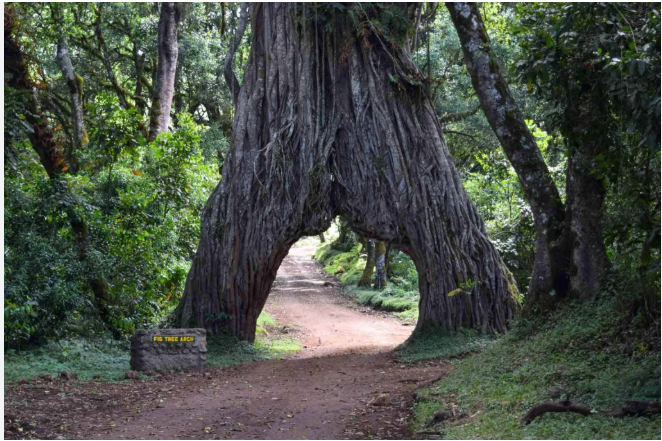
Arusha National Park is one of Tanzania’s most remarkable hidden treasures, located just a short distance from Arusha city. Nestled at the foothills of Mount Meru, Tanzania’s second-highest mountain, the park showcases an impressive mix of landscapes, including lush forests, open grasslands, the scenic Ngurdoto Crater, and the beautiful Momella Lakes. This rich diversity creates a unique environment that offers unforgettable safari experiences.
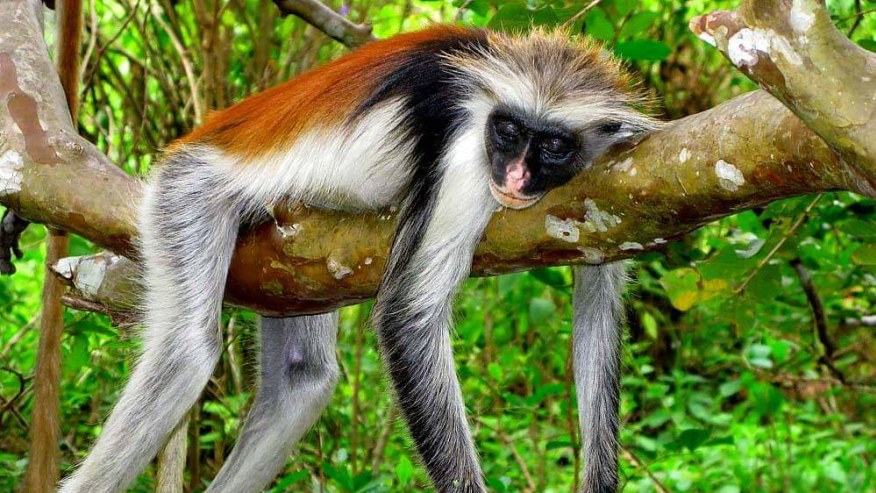
The park is home to a wide variety of wildlife, including giraffes, zebras, buffaloes, antelope species, and numerous primates such as blue monkeys and black-and-white colobus monkeys. The Momella Lakes are also famous for attracting large flocks of flamingos and many other bird species, making the park a popular destination for birdwatching enthusiasts.
One of the most distinctive experiences in Arusha National Park is the guided walking safari, where visitors can explore nature up close alongside experienced park rangers. These walks provide fascinating insights into wildlife, birdlife, animal tracks, and native plants. Thanks to its smaller size and lower visitor numbers, the park offers a peaceful and intimate safari atmosphere, making it an excellent destination for travelers seeking natural beauty, adventure, and tranquility.
Top Arusha Safari Activities
Game Drives
Explore the park’s varied landscapes, from open savannahs to lush forests, on exciting guided game drives. Encounter giraffes, zebras, buffaloes, and other wildlife, with occasional sightings of elephants and elusive leopards.
Highlight: Excellent wildlife viewing in a peaceful and less-crowded setting.
Walking Safaris
Discover the park on foot with an experienced ranger who will guide you through its diverse habitats. Learn about local plants, animal tracks, birdlife, and enjoy a close connection with nature, including visits to beautiful waterfalls.
Highlight: An immersive safari experience that brings you closer to the natural environment.
Mount Meru Trekking
Challenge yourself with a trek to the summit of Mount Meru, Tanzania’s second-highest mountain. The journey rewards hikers with spectacular views of Mount Kilimanjaro, Ngorongoro Highlands, and the surrounding wilderness.
Highlight: A rewarding adventure reaching an altitude of 4,566 meters.
Birdwatching
With more than 400 bird species recorded, Arusha National Park is a paradise for bird lovers. The Momella Lakes attract flamingos and many other resident and migratory bird species.
Highlight: Outstanding birdwatching opportunities throughout the year.
Canoeing on Momella Lakes
Enjoy a peaceful canoe safari across the scenic Momella Lakes while observing water birds, breathtaking scenery, and occasionally hippos along the shoreline.
Highlight: A relaxing way to experience the park from a unique perspective.
Ngurdoto Crater Visit
Explore the spectacular Ngurdoto Crater, often referred to as the “Little Ngorongoro.” The crater offers impressive viewpoints and opportunities to observe wildlife in a stunning natural setting.
Highlight: Magnificent scenery and panoramic views in a quieter environment.
Best Time to Visit Arusha National Park
Arusha National Park is a year-round destination, but the best time to visit is during the dry season from June to October. During these months, the weather is sunny and pleasant, wildlife is easier to spot as animals gather around water sources, and the clear skies provide spectacular views of Mount Meru and, on many days, Mount Kilimanjaro.
The short dry season from December to February is another excellent time to visit. Warm temperatures, lush scenery, and excellent visibility make it ideal for walking safaris, canoeing, photography, and hiking.
If you’re a birdwatching enthusiast, the green season from November to May offers a unique experience. The park becomes beautifully green, migratory birds arrive in large numbers, and visitor numbers are lower. However, March to May is the rainy season, when some roads and trails may become muddy and wildlife can be more difficult to spot due to dense vegetation.
At a Glance: